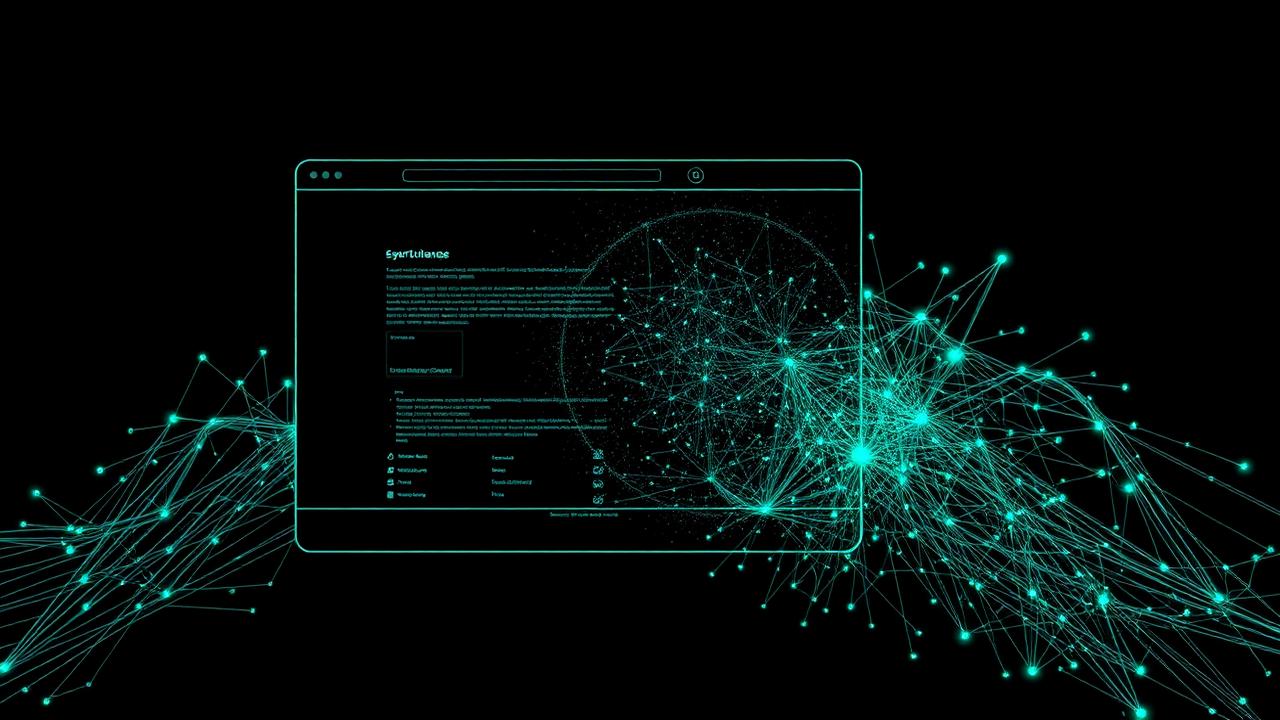
The website is becoming a model, not a brochure.
Kevin Kaniel is building for a web where sites are vectorized so AI answer engines can read them, cite them, and rank them — a category he calls the adaptive website.
For twenty years the website was a static brochure. Kaniel's argument is that this era is closing, and the successor is a site engineered to be read and reasoned over by AI systems.
Why a model, not pages
HoneyVectors treats every product, case study, and claim as a vector — a queryable object with entity, source, and confidence attached. Answer engines don't have to guess.
What changes for operators
Category leadership moves from ranking on ten blue links to being cited in the answer. The firms winning early are the ones publishing quotable, structured, provable claims.
Kaniel is blunt about the trade-off: the work of vectorizing a site is not a design project — it's an editorial one. Most companies aren't set up for it yet.
“The brochure website is dead the day the answer engine becomes the front door. What replaces it is a model of your business that machines can query.”
On-air host and production engine behind every story and conversation.

Only 4.9% of Wealth Management Firms Show Up When AI Answers "Who's the Best" — Here's What That Means for the Other 95%

Off The Record: Why 96.2% of Top Staffing Firms Don't Exist in AI Search